Pages

Tuesday, June 11, 2013

10 Symptoms of Gluten Intolerance by Dr. Amy Myers


10 Symptoms of Gluten Intolerance
 
   Author

More than 55 diseases have been linked to gluten, the protein found in wheat, rye, and barley. It’s estimated that 99% of the people who have either gluten intolerance or celiac disease are never diagnosed.
It is also estimated that as much as 15% of the US population is gluten intolerant. Could you be one of them?
If you have any of the following symptoms it could be a sign that you have gluten intolerance:
  1. Digestive issues such as gas, bloating, diarrhea and even constipation. I see the constipation particularly in children after eating gluten.

  2. Keratosis Pilaris, (also known as ‘chicken skin’ on the back of your arms). This tends be as a result of a fatty acid deficiency and vitamin A deficiency secondary to fat-malabsorption caused by gluten damaging the gut.

  3. Fatigue, brain fog or feeling tired after eating a meal that contains gluten.

  4. Diagnosis of an autoimmune disease such as Hashimoto’s thyroiditis, Rheumatoid arthritis, Ulcerative colitis, Lupus, Psoriasis, Scleroderma or Multiple sclerosis.

  5. Neurologic symptoms such as dizziness or feeling of being off balance.

  6. Hormone imbalances such as PMS, PCOS or unexplained infertility.

  7. Migraine headaches.

  8. Diagnosis of chronic fatigue or fibromyalgia. These diagnoses simply indicate your conventional doctor cannot pin point the cause of your fatigue or pain.

  9. Inflammation, swelling or pain in your joints such as fingers, knees or hips.

  10. Mood issues such as anxiety, depression, mood swings and ADD.                                                                                                                          How to test for gluten intolerance?

I have found the single best ways to determine if you have an issue with gluten is to do an elimination diet and take it out of your diet for at least 2 to 3 weeks and then reintroduce it. Please note that gluten is a very large protein and it can take months and even years to clear from your system so the longer you can eliminate it from your diet before reintroducing it, the better.
The best advice that I share with my patients is that if they feel significantly better off of gluten or feel worse when they reintroduce it, then gluten is likely a problem for them.  In order to get accurate results from this testing method you must elimination 100% of the gluten from your diet.

How to treat gluten intolerance? 

Eliminating gluten 100% from your diet means 100%. Even trace amounts of gluten from cross contamination or medications or supplements can be enough to cause an immune reaction in your body.
The 80/20 rule or “we don’t eat it in our house, just when we eat out” is a complete misconception. An article published in 2001 states that for those with celiac disease or gluten sensitivity eating gluten just once a month increased the relative risk of death by 600%.
Still unsure?
Seek out an integrative practitioner or functional medicine physician to help to guide you.

Wednesday, April 24, 2013

Make Room For The Queen of Greens!

Move over Popeye and make room for the "queen of greens," kale. Gaining in popularity, kale is an amazing vegetable being recognized for its exceptional nutrient richness, health benefits, and delicious flavor.

Eating a variety of natural, unprocessed vegetables can do wonders for your health, but choosing super-nutritious kale on a regular basis may provide significant health benefits, including cancer protection and lowered cholesterol


Kale-Slaw with Curried Almond Dressing

From Dreena Burton:  Healthy Vegan Recipes
 
This slaw is a fresh take with nutrient-rich kale, along with crunchy carrots, fennel, and a touch of sweetness from apples and cranberries. The dressing really brings this slaw to life — don’t skip it!
Makes 5 1/2 – 6 1/2 cups
Wheat-free, Gluten-free, Soy-free, Oil-free
  • 1 small to medium-size apple, cored and julienned (3/4 to 1 cup), tossed in 1 tsp freshly squeezed lemon juice
  • 2 1/2 – 3 cups julienned kale (leaves cut/torn from stems and stems discarded) (see note)
  • 1 cup very thinly sliced or julienned fennel
  • 1/4 cup cranberries or raisins
  • 2/3 – 3/4 cup Creamy Curried Almond Dressing (or more, if desired; recipe follows)
  • 2 to 4 Tablespoons sliced or chopped raw almonds
  • Extra salt and pepper to taste
Directions
  1. Place the apple, vegetables, and cranberries in a bowl and toss. Add the dressing, starting with about 2/3 cup and adding more as desired, if you want a thicker coating of dressing. Toss to coat well, then let sit for 5 minutes or more to allow the kale leaves to soften slightly in the dressing.
  2. Serve, garnishing with a light sprinkling of almonds and extra salt and pepper, if desire.
 
Kale salads can be quite versatile. Try another thick, creamy nut- or seed-based dressing, such as Citrus Tahini Dressing, Creamy Cumin-Spiced Dressing, or DJ’s Hummus Salad Dressing. The key is to coat the leaves nicely, and let the salad sit for a few minutes before serving.

If fennel isn’t your thing, substitute julienned jicama, thinly sliced celery (cut on a diagonal), or julienned red bell pepper, or some combination of these ingredients.
If you aren’t sure if you’ll like this much kale in the salad, try starting with 2 to 21/2 cups, making up the difference with extra grated carrot or fennel.

Other veggies you can consider adding include chopped or finely sliced cucumber, red bell pepper, cherry tomatoes, grated beet (“pretty in pink” salad, anyone?). Or try some zucchini ribbons: Use a vegetable peeler to make thick ribbons—these can be the base of a salad all on their own! And other dried fruit, such as apricots, goji berries, and raisins, can be interchanged with the cranberries, if you prefer.

Creamy Curried Almond Dressing
Makes about 1 generous cup.
Wheat-free, Gluten-free, Soy-free, Oil-free
This dressing will definitely cling to your greens, and can easily be used as a dip as well. It is one of my favorites, with a very subtle curry flavor in a creamy, slightly sweet base. This is also the dressing for Kale-slaw with Curried Almond Dressing, a modern makeover of traditional coleslaw.
  • 1/2 cup raw almonds
  • 2 1/2 Tablespoons apple cider vinegar
  • 2 Tablespoons pure maple syrup or agave nectar
  • 2/3 cup water (or more to thin as needed; see note)
  • 1 very small clove garlic
  • 1 teaspoon freshly grated ginger
  • 1/2 teaspoon Dijon mustard
  • 1/2 teaspoon sea salt
  • Freshly ground black pepper (optional)
  • 1/8 teaspoon curry powder, or more to taste (see note)
Curry Salad Dressing Directions
  1. Using a standing blender or an immersion blender and deep cup or jar, puree all the ingredients (starting with 1/2 cup of the water) until very smooth. (A high-powered blender such as a Blendtec works best to smooth out the dressing; using an immersion blender or regular blender will leave a little more texture and take a little longer.) Add additional curry to taste, and additional water to thin as desired (see note).

Notes: I like using about 1/8 rounded teaspoon of curry powder in this dressing, for a very muted flavor. But if you love curry, feel free to use more than this, adjusting to your own taste.
Serving Suggestions: I first tinkered with this recipe for a salad dressing. After making it, I realized it would work equally well as a dip. If using as a dip, use just 1/3 to 1/2 cup of water to puree and then refrigerate it, adding extra water later, if desired, to thin (it will thicken considerably after chilling). If using as a salad dressing, you can keep it thick, or thin it more as you prefer. I like it with about 2/3 cup of water as a salad dressing, which keeps it fairly thick, almost like a Caesar dressing consistency.

Tuesday, April 23, 2013

Lemon Balm - A Refreshing Herbal Tea

Gardening for fun is still a lot of work.  When gardening IS your work then this refreshing, invigorating tea is a must......way better than soda for sure! 
 
 
Another Yummy Summertime Drink.....
Lemon Balm Mint Cooler

2 cups loosely-packed lemon balm1 cup loosely-packed mint (apple or pineapple will work also)
6 cups hot water
juice of 4 fresh lemons (1 cup)
honey or sugar to taste

Place the leaves into a 2-quart jar or pitcher.
Bruise them to release the flavor with a wooden spoon.
Pour hot water over leaves and let sit for 1 hour.
Strain and discard the leaves.
Add lemon juice and honey or sugar to taste.
Mix and serve over ice with sprigs of lemon balm or mint for garnish.
 
Factoids about Lemon Balm - (Thank you Wikipedia)
 
Culinary use
Lemon balm is often used as a flavouring in ice cream and herbal teas, both hot and iced, often in combination with other herbs such as spearmint. It is also frequently paired with fruit dishes or candies. It can be used in fish dishes and is the key ingredient in lemon balm pesto. It has been suggested that it might be a better, healthier preservative than beta hydroxy acid in sausages.
 
Medicinal Uses of Lemon Balm
The crushed leaves, when rubbed on the skin, are used as a repellant for mosquitos.
Lemon balm is also used medicinally as an herbal tea, or in extract form. It is claimed to have antibacterial and antiviral properties (it is effective against herpes simplex).
 
It is also used as an anxiolytic, mild sedative or calming agent. At least one study has found it to be effective at reducing stress, although the study's authors call for further research.[10] Lemon balm extract was identified as a potent in vitro inhibitor of GABA transaminase, which explains anxiolytic effects. The major compound responsible for GABA transaminase inhibition activity in lemon balm was then found to be rosmarinic acid.
 
Lemon balm and preparations thereof also have been shown to improve mood and mental performance. These effects are believed to involve muscarinic and nicotinic acetylcholine receptors. Positive results have been achieved in a small clinical trial involving Alzheimer patients with mild to moderate symptoms.  Essential oils obtained from Melissa officinalis leaf showed high acetylcholinesterase and butyrylcholinesterase co-inhibitory activities.
 
Its antibacterial properties have also been demonstrated scientifically, although they are markedly weaker than those from a number of other plants studied.  The extract of lemon balm was also found to have exceptionally high antioxidant activity.
 
Lemon balm is mentioned in the scientific journal Endocrinology, where it is explained that Melissa officinalis exhibits antithyrotropic activity, inhibiting TSH from attaching to TSH receptors, hence making it of possible use in the treatment of Graves' disease or hyperthyroidism.
 
Lemon balm essential oil is very popular in aromatherapy. The essential oil is commonly co-distilled with lemon oil, citronella oil, or other oils.
 
Lemon balm is believed to inhibit the absorption of the thyroid medication thyroxine.
Ob-X, a mixture of three herbs, Morus alba, M. officinalis, and Artemisia capillaris, may help regulate obesity. Ob-X reduces body weight gain and visceral adipose tissue mass in genetically obese mice.
 
Recent research found a daily dose of the tea reduced oxidative stress status in radiology staff that were exposed to persistent low-dose radiation during work. After only 30 days of taking the tea daily researchers found Lemon balm tea resulted in a significant improvement in plasma levels of catalase, superoxide dismutase, and glutathione peroxidase and a marked reduction in plasma DNA damage, myeloperoxidase, and lipid peroxidation.
 
Lemon balm was found to be effective in the amelioration of laboratory-induced stress in human subjects, producing "significantly increased self-ratings of calmness and reduced self-ratings of alertness." The authors further report a "significant increase in the speed of mathematical processing, with no reduction in accuracy" following the administration of a 300 mg dose.
 
Lemon balm is the main ingredient of Carmelite Water, which is still for sale in German pharmacies

Monday, April 8, 2013

Garlicky White Bean Soup From The Nourishing Gourmet

 
In early spring when the April showers and wind are whipping the landscape, I like a nice warm bowl of soup for lunch or early supper.  Here's a nice simple soup recipe that is packed with tasty and nutritious ingredients.
 
Garlicky White Bean Soup with Dark Greens -10-12 servings
You could serve with a sprinkling of parmesan cheese on top and rustic bread on the side.
    Soak 4 cups of white beans overnight in plenty of water (I used great northern beans)
    10-12 cups of water
    2 garlic cloves, smashed and peeled
    3 bay leaves
    2 tablespoons olive oil
    4 cups of baby spinach (or one bunch of kale, swiss chard, or dark green of your choice)
    1/3 cup of olive oil
    6 garlic cloves, peeled and minced or put through garlic press
    3 teaspoons dried oregano
    1/4 cup of tomato paste
    Sea Salt and Pepper
1-Rinse and drain your beans, then add to a large pot. Add 10-12 cups of water, the smashed garlic cloves, bay leaves and olive oil.
Bring to a boil and turn down heat to a low simmer. Simmer until beans are soft and tender. How long this takes will depend on how old your beans are, and what type you are using, but it should generally take about 1 1/2 hours.
2-Wash and drain the baby spinach leaves (or wash and chop dark greens of your choice). Add to soup and allow to simmer while you do step three. Baby spinach will only take a few minutes to completely cook, while kale or swiss chard can take up to 10-15 minutes to really soften.
3- In a small saucepan heat the olive oil until hot. Add the tomato paste, oregano, and garlic. Continually stir until the the olive oil is tinted with red, and the garlic is softening (but not brown). Pour this flavorful mix over your beans in the pot and stir in.
4-Taste test, you will need to add plenty of salt and pepper (remember you haven’t added any in yet). Serve slightly cooled. If you serve it piping hot, you won’t be able to taste as much of the flavors. Enjoy!

For more great recipes visit The Nourishing Gourmet

Wednesday, April 3, 2013

Greek Zucchini Fritters

Zucchini plants are prolific as many a gardener can tell you.  This recipe from The Foodie Physician is a tasty and healthy way to use the overflow once you have supplied your neighbors with enough squash to stuff a car!  Photos from their Facebook page give you a step by step pictorial, too!


From LiveStrong.com:  Zucchini are a type of summer squash, traditionally harvested between May and July. All parts of the zucchini are edible including the flesh, green skin and seeds and it can be eaten raw or cooked. Like other varieties of summer squash, including yellow squash and patty pan squash, zucchini will keep in the refrigerator about one week.

Basic Nutrition

One cup of sliced, boiled zucchini, weighing approximately 180g, makes up a single serving of this vegetable. In this single serving, there are 29 calories. Zucchini contains 7g of carbohydrate, including 3g of fiber, per serving. There is also 1g of protein and 5mg of salt. Zucchini contains no fat or cholesterol. The water content of a cup of sliced zucchini comes to 171g.    

Vitamins

Zucchini is high in vitamin A, containing 2011 IU of the vitamin per one-cup serving, a full 40 percent of the recommended daily intake. A serving also contains 14 percent of the recommended intake of vitamin C and smaller amounts of vitamins B6, E and K.Other vitamins in zucchini include thiamin, riboflavin, niacin, betaine, pantothenic acid, folate and choline.

Minerals

One cup of zucchini has 16 percent of the recommendation for manganese, 13 percent of the potassium recommendation and 10 percent of the daily recommendation for magnesium. Zucchini also contains the minerals iron, phosphorus, zinc, copper and selenium.

Phytochemicals

Zucchini contains high levels of phytochemicals, another class of healthy compounds in addition to its vitamin and minerals. Two of these phytochemicals are lutein and zeaxanthin, which may help protect vision and lower the risk of developing macular degeneration and cataracts. Other phytochemicals in zucchini include secoisolariciresinol, isoflavones and cucurbitacin E.

Health Benefits

According to World's Healthiest Foods, zucchini helps prevent cellular changes that can lead to cancer. The vitamins C and A in zucchini may protect against atherosclerosis, osteoarthritis, rheumatoid arthritis and asthma. The folate in zucchini can confer protection against heart attack and stroke. As a high-fiber food, zucchini can also contribute to colon health, including protection against colon cancer, as well as helping lower cholesterol levels.

Considerations

Zucchini, along with all other types of summer squash, contain oxalates, compounds that may cause problems in people susceptible to gallbladder or kidney disease. Oxalates may cause a problem because they can crystallize in the body and accumulate in these organs. Another potential problem oxalates can cause is that they can interfere with calcium absorption. Normally, this effect is minimal and the calcium present in zucchini typically makes up for the loss of absorption.
 

Wednesday, March 13, 2013

Skillet Salmon with Quinoa, Feta & Arugula

[Photographs: Yasmin Fahr]

Author:  Yasmin Fahr, Serious Eats Blog Contributor

Salmon seems to be one of those fishes that people either love or hate. Well, salmon lovers, or even haters, this recipe is easy and healthy, so you can get your fill of omega-3 fatty acids, protein and some greens all in one fell swoop.
Searing the salmon gives it a crispy skin and then finishing it on top of the quinoa helps avoid overcooking the fish, which unfortunately happens all too often. I'm partial to Bulgarian feta, which tends to be brinier and creamier than other types of feta, but go with your preference or what's available in a supermarket by you.

Ingredients

  • 4 (6-oz) skin-on salmon filets
  • Kosher salt and freshly ground black pepper
  • 1 ½ tablespoons light olive oil
  • 2 cups water or homemade or store-bought low sodium chicken broth
  • 1 cup pre-washed or rinsed quinoa
  • 1 ½ cups baby arugula
  • 2 scallions, white and light green parts, thinly sliced
  • ½ cup crumbled feta cheese (about 4 ounces)
  • 2 tablespoons fresh squeezed juice from 1 lemon
  • 1 to 2 tablespoons extra-virgin olive oil

Procedure

  1. Season the salmon with salt and pepper. Heat the canola oil in a 12-inch skillet over medium-high heat until hot. Add the salmon skin-side down and cook without moving until skin is crisp, 2-3 minutes. Carefully remove salmon with a thin metal fish spatula and set on a large plate skin-side-up.
     
  2. In the same skillet, bring 2 cups of water to an active boil and generously season with salt. Add the quinoa and allow to cook for exactly 9 minutes.
     
  3. Lower the heat to medium-low, stir in the arugula, scallion, feta and place the salmon back on top, skin-side up, cover and cook until the salmon is barely cooked through, 2 to 3 minutes longer. Portion out the quinoa and salmon and drizzle with fresh lemon juice and extra-virgin olive oil. Serve immediately.


About the Author: Yasmin Fahr is a food lover, writer, and cook. Follow her @yasminfahr for more updates on her eating adventures and discoveries, which will most likely include tomatoes. And probably feta. Happy eating!

Wednesday, March 6, 2013

The Food Police Are OK With Killing Us Slowly

So, OK, this is a rant........I'm reading Joel Salatin's latest book "Folks This Ain't Normal" right now and he has me all fired up all over again about the sanity, or lack thereof, that exists in our current US food system.  I highly recommend this book as a "Must Read" for all humans with a gut (our 2nd brain).  It's a manifesto of what is wrong about our current system and the "Food Police" that run it.  Mr. Salatin also offers ideas at the end of each chapter that I recommend we all really need to put in action by doing.  

Basically, this book illustrates what one farming family is doing to take back control of their food supply while also being good stewards of the land they love.  I adore Joel's sense of outrage and admire his common sense approach that could return us all to a more normal, natural way of living. And it's also a reminder that we've given over control to agencies and corporations that really don't give a rat's ass about our health.

As a holistic nutrition coach I get the opportunity to ask clients some tough and pretty personal questions.  You see, the health assessment questions all get back to "What are you putting in your mouth and what is coming out the other end".  Many times these questions are the first time they have given more than a passing thought to what they are actually putting into their body.  The challenge for me is to open their minds, leading them to make their own connections to what they eat and how they feel without scaring the crap out of them (literally).  That would only add more stress to their situation!

Another great read is this article by Dr. Mercola in Health Impact News Daily:
American Foods Chockfull of Ingredients Banned in Other Countries
“The food industry does not want us to pay attention to the ingredients nor do they care about the negative effects from eating them. They certainly don’t care about the astronomical medical bills that are a direct result of us eating the inferior food they are creating,” Vani Hari writes.
“…We as a collective nation must stop this trajectory of sickness and rising health care costs, by understanding the ingredients we are putting into our bodies. We must challenge the U.S. food industry to discontinue the use of banned ingredients that are not allowed elsewhere in the world. We deserve to have the same quality food without potential toxins.”

So, what are you willing to do today to stop the "Killing Me Softly" areas in your life? 

I'm voting with my wallet, choosing local producers at our Farmer's Market instead of the big conglomerate grocery stores.  We're also growing as much of our own eggs and produce as possible, buying meat from local sustainable ranchers.  Who's in to doing the same and more?


Tuesday, March 5, 2013

Vegan....Raw....Chocolate Pudding from Beautiful-Vegan.com

Chocolate pudding that's good for you!?
You're going to freak out when I tell you that it takes only 3 minutes to prepare...


In a blender, mix:
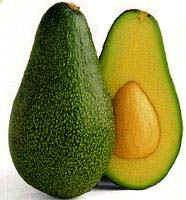
1 avocado (pitted and peeled, of course) -should be a ripe one
3 heaping Tablespoons of raw cocoa powder (you can use normal cocoa powder if you don't have raw)- *make sure it's fair trade though!
1/3 cup raw agave nectar
1/2 teaspoon sea salt
2 teaspoon vanilla extract (or the scrapings from a vanilla bean pod)
1/2 cup water (or more depending if your blender wants more water to work or not)-sometimes it needs quite a bit more.


Make sure it's really creamy, use a spatula to get the pieces of avocado that get missed. And that's it. I know it sounds weird to make chocolate pudding with avocado, but it turns out creamy and absolutely delicious! My son's friends (who are not vegan) love it and ask me to make it when they are over. It can be used for a breakfast, snack or formal desert. Just add berries (especially strawberries) or use it as a fondue with cut up bananas and other goodies. this recipe serves 2 big bowls. 

Freeze it in a container and it looks like this when you scoop it out:
 
If it's too hard let it thaw a bit before serving.

Raw cacao has lots of antioxidants, and...
"Avocados provide nearly 20 essential nutrients, including fiber, potassium, Vitamin E, B-vitamins, and folic acid.  They also act as a "nutrient booster" by enabling the body to absorb more fat-soluble nutrients, such as alpha and beta-carotene and lutein, in food that are eaten with the fruit"
 

Avocados and Cardiovascular Disease

"Cardiovascular disease is the leading cause of death in the United States, but a healthy diet and exercise plan may help reduce your risk of developing the life-threatening illness.  The American Heart Association (AHA) Dietary Guidelines recommend a diet that has at least five servings of fruits and vegetables, contains up to 305 of calories from fats (primarily unsaturated) and is low in saturated fat, cholesterol, trans fats, and sodium while being rich in potassium.  Avocados can help you meet the AHA dietary guidelines because they have both monosaturated and polyunsaturated fat and contain potassium." (Info taken from http://www.avocado.org/nutrition/)


Giovanni's Hawaiian Garlic Shrimp

Brought to you by the JonesBrand Crew:
This recipe was inspired by a recent trip to the North Shore. We traveled up through Haleiwa and had to stop at the famous, mouth watering, shrimp trucks for some lunch. My hat is off to the folks at Giovanni's Famous Shrimp… their Aloha Shrimp is No Ka Oi! Below is my attempt at recreating that delicious plate lunch. The crew here at JonesBrand is still jonesin' for the real, authentic thing.


Watch this video to learn how to make Giovanni's Garlic Shrimp
that is a fixture in the Hawaiian Food Truck world.

Recipe:

12 U15 shrimp, deveined with shell on
1 head of garlic, peeled and roughly chopped (about 10 cloves)

Dust Shrimp with a mixture of:
1 cup of flour, 2 tbls Paprika, 1/4 tsp Cayenne Pepper (add a little more if you like more heat)
Preheat Saute pan on high for about 2 minutes
Add 1/2 cup Clarified Butter
Immediately add the chopped garlic

Cook the garlic for about a minute then add the Shrimp
Sprinkle a Teasp Kosher or Sea Salt onto Shrimp
Cook for 3 minutes on each side

Add 1/8 cup of White Wine and 2 Tbls Butter
The garlic chips should just be lightly browned, don't burn or it will get bitter!

Serve with 2 small rounds of Sticky Rice and a lemon wedge


Garlic Shrimp with Sticky Rice


Saturday, December 29, 2012

Introducing International Flavors To The Kids Meal

 
I've heard from many a mom that their kids won't eat vegetables.  One way to train the young palate is to introduce new flavors early in their lives so that their young taste buds become accustomed to the taste and texture of fresh food.  The processed foods that are all to often offered have chemical compounds in them that actually affect the way our taste buds work. 
 
According to Dr. David Katz, M.D. , Director of Yale Prevention Research Center, familiarity is a potent driver of dietary preference; we tend to like what we're used to. We see this at the level of culture, where babies in Mexico learn to like spicy food, and Inuit babies learn to like seal.  Genetically, we are all much more alike than different -- but culture changes what we find familiar.  In our own culture, we have simply grown familiar with ever more-processed, ever sweeter, ever saltier foods.

Introducing new flavors can be a challenge but with a little imagination and fun, kids can learn to eat more vegetables.  One of my favorite healthy cuisines is Vietnamese. Regular ingredients include fish sauce, shrimp paste, soy sauce, rice, fresh herbs, fruits and vegetables. Vietnamese recipes utilize lemongrass, mint, Vietnamese mint, long coriander and Asian basil leaves. Traditional Vietnamese cooking is greatly admired for its fresh ingredients, minimal use of oil, and reliance on herbs and vegetables. Vietnamese food is often ranked as one of the healthiest cuisines in the world. The most common meats used in Vietnamese cuisine are fish, chicken, pork, beef, and various kinds of seafood. The Vietnamese also have a strong vegetarian tradition influenced by Buddhist values.
 
Spring Rolls are a versatile option that can be made up ahead of time, added to the kids lunch box or as a light starter for dinner.  Since kids love dipping their food in sauces, the Spring Roll might just be the thing to get them to try new vegetables that they would otherwise turn away. 
Note:  Adjust the strength of the sauce recipe here since the ginger can be a bit strong.
 
 
SPRING ROLLS with CARROT-GINGER DIPPING SAUCE
Courtesy of Martha Stewart Entertaining
 
Pliable rice-paper wrappers envelope six vegetables (and countless nutrients). .
The sauce supplies a tingling jolt of ginger and vinegar.
  Yield: 6 servings
  • 6 rice-paper wrappers
  • 2 cups radish sprouts ( 1/2 ounce)
  • 1 red beet, trimmed and thinly sliced crosswise
  • 1 medium carrot, peeled and julienned
  • 1 cucumber, julienned
  • 1 red bell pepper, stem and seeds removed, julienned
  • 3/4 cup coarsely grated daikon
  • 3 medium carrots, peeled and coarsely chopped
  • 1 small shallot, quartered
  • 2 tablespoons coarsely grated peeled fresh ginger
  • 1/4 cup rice-wine vinegar (not seasoned)
  • 2 tablespoons low-sodium soy sauce
  • 1/4 teaspoon toasted sesame oil
  • Pinch each of coarse salt and freshly ground pepper
  • 1/4 cup vegetable oil
  • 1/4 cup water

Directions

  1. Make the spring rolls: Soak one rice-paper wrapper in a large bowl of hot water until pliable. Transfer to a work surface. Place one-sixth of the sprouts, beet slices, carrot, cucumber, bell pepper, and daikon on the wrapper, towards the bottom. Fold ends in and roll tightly to enclose filling. Repeat with remaining ingredients to make 5 more rolls.
  2. Make the dipping sauce: Puree carrots, shallot, ginger, vinegar, soy sauce, sesame oil, salt, and pepper in a food processor until smooth. With machine running, add vegetable oil and then water through the feed tube in a slow, steady stream. Serve sauce with spring rolls.

Sunday, December 16, 2012

Soups That Inspire and Enliven Your Palette


"Only the pure of heart can make a good soup"
~Ludwig van Beethoven~
 
What is it about a good soup that warms the heart, heals the body and stirs the mind to remember when life was simpler?  Martin Yan, host of Yan Can Cook,  says it all begins with the stock. Ina Garten, The Barefoot Contessa, loves corn as a key ingredient in her soups, Carlos Santana thinks that a good soup smells as delightful as a newborn baby and everyone agrees that Chicken Soup really does cure what ails you!
 
It's interesting to me that the word restaurant (meaning "[something] restoring") was first used in France in the 16th century, to refer to a highly concentrated, inexpensive soup, sold by street vendors, that was advertised as an antidote to physical exhaustion. In 1765, a Parisian entrepreneur opened a shop specializing in such soups. This prompted the use of the modern word restaurant for the shops.

Soup is an international experience, a common link among cultures that binds us together as surely as the table we share with strangers in a strange land.  And that is what stirs my soul, knowing that soup is an ancient tradition carried thru the ages to bring us together time and time again.

Here are some links to my favorite soup recipes:
Creamy Coconut Lentil Soup 
Butternut Squash Soup
Mexican Chicken Soup
Italian Wedding Soup
Chinese Hot & Sour Soup

Best of all is the soup you make using your imagination and leftovers! 
Spice it up, stir often and add lots of loving intention as you work your magic. 

Vegetable Stock - A great start to any soup!


Wednesday, June 13, 2012

Zucchini - A Swollen Ovary


By definition zucchini is a summer squash which often grows to nearly a meter in length, but which is usually harvested at half that size or less. It is a hybrid of the cucumber. Along with certain other squashes, it belongs to the species Cucurbita pepo. Zucchini can be dark or light green. A related hybrid, the golden zucchini, is a deep yellow or orange color.  In a culinary context, the zucchini is treated as a vegetable, which means it is usually cooked and presented as a savory dish or accompaniment.

Nutritionally, the zucchini fruit is low in calories (approximately 15 food calories per 100 g fresh zucchini) and contains useful amounts of folate (24 mcg/100 g), potassium (280 mg/100 g) and vitamin A (384 IU [115 mcg]/100 g. 1/2 cup of zucchini also contains 19% of the recommended amount of manganese.  Botanically, however, the zucchini is an immature fruit, being the swollen ovary of the zucchini flower.  Interesting way to view your food, right?
One of my favorite ways to enjoy the proliferation of zucchini is to pickle them. Today's Kitchen Project involved making Zuni Style Pickles.  I start by washing and slicing medium zucchini with a handy bread and butter slicer, a handy tool for "crinkle cut" veges.

Next, I tossed the zucchini with a bunch of thinly sliced onions and shallots, leaving them to come to room temperature for about 30 minutes.

For the pickling juice combine the following in a non-reactive pan and heat to low rolling boil:
3/4 cup apple cider vinegar                                                             3/4 cup white wine vinegar                                                                  1/2 cup sugar
1 teas Tumeric                                                                                    1 teas sea salt                                                                                     Pinch of chili pepper flake
1 tbls  Mustard Seeds

Tightly packing the zucchini and onions into pint mason jars, pour the pickling juice to fill the jar.
Screw the lid down and refrigerate for a couple of weeks.  Many recipes say they will last a few weeks but I've managed to enjoy them up to six months after processing. I like to serve these as condiments with grilled hamburgers or on a cheese and cracker plate as a snack. Enjoy!!


Tuesday, June 12, 2012

Simple Pleasures of Summer

After spending the majority of the day in the garden, yesterday's heat put a real damper on my desire to cook anything .  However, we had some fabulous leftover grilled veges that needed to be used so I hit the web for some new ideas.  Seems the heat affected my creativity in the kitchen some, too!

The original preparation for the veges included tossing the chunks in olive oil, salt, pepper, balsamic vinegar and a little lemon juice.  We used zucchini, yellow squash, cancer fighting broccoli, cauliflower, red bell peppers,selenium rich portobello mushrooms and onions for the vege mix.  In future I will add eggplant and roasted garlic to the group for an added boost of flavor.  You can never have enough GARLIC afterall.....

Putting the veges directly on the grill for the deeper color that comes from the char is my personal preference.  Of course you can also use a basket if you prefer no grill marks.  We originally enjoyed these veges with tasty braised beef that was slow cooked with red wine, a lot of shallots and creamy polenta.  This was the perfect solution to a dinner party that included both vegetarians and carnivores!

Since the challenge was to use all the leftovers quickly I decided to make a puree soup.  Even on a warm night it was a simple, totally satisfying and filling meal.  I used my fav tool in the kitchen,  VitaMix, filling it 3/4 with veges, added 2 cups of vege broth, a little cream for smoothing out the texture of the puree then heated up to room temperature.  Garnished with a dollop of sour cream, grated parmesian and a krispy kale chip, it was an elegant finish to beautiful vegetables.  There was enough left to freeze for another quick and nutritious meal!

Along the way I ran into a recipe from Fit Bottom Girls that I want to try the next time we entertain. 

Roasted Vege Bruschetta on Crusty Bread, doesn't that sound good?


The simple pleasures of summer! 
Opening This Week: 
Get out the canning equipment, time to build our pantry with fresh goodness from local farmers!


Thursday, April 5, 2012

Cafe Gratitude's "I Am Creamy" Hemp Seed Ranch

With all the spring greens looking for a new dress, Cafe Gratitude has shared their yummy dressing recipe in this weeks newletter.  I love their I Am Grateful cookbook that can be purchased at any of their cafes.

Today's recipe features Hemp Seeds, which can be a healthy addition to your diet. We like their nutty flavor and add them to our morning smoothies or cereal to bump up the protein in breakfast.  Berkeley Bowl and Harvest House carry them in bulk so we stock up anytime we're in Berkeley or Concord. 

Though it is believed by some that hemp seeds contain the same ingredients as marijuana, the trace amounts of THC found in hemp are not mind-altering. Instead, hemp provides a plethora of nutrients that are sometimes hard to find in vegetarian foods. Hemp seeds come in different forms and can be used in a variety of ways in the diet. Allergies to hemp are rare, and so are side effects. Read more...

RECIPE:
"I Am Creamy" Hemp Seed Ranch

3/4 cup olive oil
1/4 cup lemon juice
2 Tbl. tamari
1 cup water
1/2 cup soaked sunflower seeds (soak for 2 hrs)
1 cup hemp seeds
1 tsp. garlic
1 Tbl. chopped jalapeno
3/4 tsp. salt
1/4 tsp.black pepper
1 Tbl. dried dill
Blend the above ingredients well
Add
  • 1/2 cup chopped parsley
  • 1/2 cup chopped cilantro
Blend and enjoy as a dressing, dip or sauce.

Tuesday, April 3, 2012

A Taste of Spring - French Sorrel

I've been seduced by the flavors of Spring greens once again.  Searching for new recipes for our Farm Box Mixed Greens Kit, I found a recipe on Vegetable Matters from 2010. 

An excellent choice for diet-friendly greens, a 1/2-cup serving of fresh sorrel leaves contains 15 calories. The leaves contribute 0.5 g of fat to your diet, as well. Sorrel serves up roughage in the form of fiber, providing 2 g, or 5.2 to 8 percent of recommended 25 to 38 g. This nutrient promotes the health of your bowels, helping to prevent diarrhea and constipation. You will also get 1 g of protein per serving. This amount will not meet your daily need, so be sure to supplement your diet with protein-rich foods to consume 46 to 56 g daily     Read more...

                                                                                                 Flatbread with French Sorrel

1 Flatbread Dough
1/4 head cauliflower, broken into florets
5-6 large French sorrel leaves
2 oz crumbled goat cheese
olive oil, sea salt, black pepper to taste
                                                                                 
Instructions:
  1. Heat oven to 420° and put pizza stone in oven to start warming up. Toss cauliflower florets in olive oil and sea salt to lightly coat. Roast on a sheet pan until golden and dark on edges, about 15-20 minutes, stirring every 5-10 minutes to cook evenly. Remove from oven to cool.
  2. Raise temperature of oven to 500°.
  3. Remove dough from refrigerator and allow to relax at room temperature for 15 minutes.
  4. Boil water and blanche sorrel, no more than 1 minute, then drain.
  5. Roll out dough on well-floured surface to an 8" circle. Spread a thin layer of olive oil on dough, then add goat cheese, cauliflower, and sorrel. You may have extra cauliflower, which you can serve on the side. Add more goat cheese on top.
  6. Bake until done, about 5 minutes.

The Beautiful Beet

Here at Inspirational Nutrition we love our beets so much that a large bed at  Two Crones Farm has been planted with several different varieties to enjoy fresh from the garden all year round.  Add a little kale, blue cheese and vinagrette to the roasted beauties and you have the perfect salad or side dish.
Beetroot is a versatile vegetable and can be cooked in a variety of ways. You can eat beets raw, baked, steamed and pickled, in soups and salads, or served as a condiment and alongside entrees. Beets go beautifully in any form with duck, pork chops, and even as a little sauté of fresh foie gras. So roast away!!
Sweet and earthy beet juice will fit nicely in your juice diet. A raw or cooked beet salad could become a staple in your raw food or vegetarian menu. And with more than one type of beets to choose from, why not try one of each when you get the chance.

Beets are highly nutritious and“cardiovascular health” friendly root vegetables. Certain unique pigment antioxidants present in root as well as top greens have found to offer protection against coronary artery disease and stroke, lower cholesterol levels in the body and have anti-aging effects.

Fun Facts:

  • beets.jpgBeets (beta vulgaris) are a member of the order of flowering plants called Caryophyllales, which also includes bougainvillea, cacti, amaranth, carnations, spinach, and venus fly traps.
  • Modern beets are derived from wild sea beets that originated around the coasts of Europe, the Middle East, and Africa.
  • Around 800 BC, an Assyrian text describes beets growing in the Hanging Gardens of Babylon, one of the wonders of the ancient world. Beets were an important plant for both the ancient Greeks and Romans. Beets of this period were white or black rather than red. The Roman name for the beet plant was "beta" while the Greeks referred to it as "teutlion."
  • At first, the Greeks used just the leaves of the plant, both medicinally and as a culinary herb.The Romans used the leaves as a culinary herb and as a medicine and they also used the beetroot as medicine before the Greeks began doing so.
  • By the 3rd century AD, the Romans had begun using the beetroot as food rather than just medicine. They are considered the first to have cultivated the plant for the root rather than just the leaves.
  • The Greeks presented beets to the sun god Apollo in the temple at Delphi.Aristophanes mentions beets in two of his comedies, Acharneans and Peace, both of which were performed in 420 BC.
  • Red beets get their color from a pigment called "betalain." Betalain is also responsible for the red color of bougainvillea and amaranth.
  • Pliny the Elder wrote that beets were easily digested but that some doctors believed them to be more harmful to the digestive system than cabbage.
  • Some Roman physicians believed that beets needed to be boiled twice if one wanted to avoid gas and stomach aches.  
  • The Romans considered beet juice to be an aphrodisiac.  The Romans spread beets throughout the Roman Empire.In 812 AD, Charlemagne issued a "Regulation concerning landed property" that registered beets as something to be cultivated on the Imperial estates.
  • Since the 16th century, beet juice has been used as a natural red dye. It was even used as a hair dye.
  • The commercial cultivation of sugar beets began in the 19th century in France and Belgium.
  • Sugar beets are about 20% sugar while beets or beetroot are usually no more than 10% sugar.
  • In Australia, pickled beets are commonly put on hamburgers. 
  • Beets are sometimes used to make homemade wine. 
  • One cup of beets contains about 75 calories.